Sri Lanka After Cyclone Ditwah: Latest Travel Update & Safety Guide for Tourists
📅 Published: 17 December 2025
⏱️ Reading time: 5 minutes
When Cyclone Ditwah in Sri Lanka passed over the island, it wasn’t just another weather event. For a short time, daily life slowed, communities faced challenges, and many travelers understandably began asking the same question:
“Is it safe to travel to Sri Lanka after Cyclone Ditwah?”
The honest answer is yes — with awareness. Sri Lanka is open for tourism, welcoming international travelers again, and moving forward with remarkable resilience. However, like any destination recovering from a cyclone or natural disaster, some areas are still healing. Here’s a clear, honest Sri Lanka travel update after Cyclone Ditwah, and what it means for your travel plans.
What was affected? Real impacts of Cyclone Ditwah on Sri Lanka tourism
Cyclone Ditwah mainly caused heavy rainfall, flooding, landslides, and rough sea conditions, rather than permanent damage to famous landmarks.
• Yala National Park
Some sections of Yala National Park were flooded, and several safari blocks were temporarily closed for visitor safety and wildlife protection. While certain zones are reopening gradually, Yala safari access after Cyclone Ditwah remains limited in some blocks.
• Southern & Eastern beaches (Galle, Mirissa, Unawatuna, Bentota, Trincomalee, Arugam Bay)
Sri Lanka’s popular beach destinations experienced debris, coastal erosion, and rough seas. Marine sites such as Hikkaduwa Coral Sanctuary were affected by runoff and now require time for inspection and natural reef recovery.
• Hill Country (Nuwara Eliya, Ella)
Landslides affected selected scenic roads and railway sections in Sri Lanka’s hill country. Tea plantations and viewpoints remain open, though travelers may experience route diversions.
• Cultural sites (Sigiriya, Polonnaruwa, Anuradhapura)
These UNESCO World Heritage Sites remained structurally safe. Any disruptions were mainly related to access roads or nearby flooding — not the monuments themselves.
• Hotels & guesthouses
Most luxury hotels, resorts, and boutique properties stayed operational. Some smaller guesthouses in flood-prone regions are still undergoing repairs.
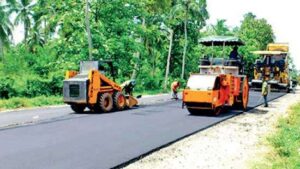
Major road reconstruction works are currently progressing at a rapid pace (Image credit: Dailymirror.lk)
Sri Lanka recovery status after Cyclone Ditwah
Sri Lanka’s recovery has been swift and well-coordinated, especially in key tourism regions.
• Electricity & essential services: Approximately 85% restored nationwide
• Bandaranaike International Airport (CMB): Fully operational for international flights
• Major tourist cities & beach resorts: Open and welcoming guests
• National parks: Phased reopening (Yala, Horton Plains, Wilpattu, Kumana, Minneriya, Kaudulla under monitored recovery)
• Coastal cleanup: Ongoing across affected beach belts
In short:
✔️ Sri Lanka tourism is operating
✔️ Some nature-based attractions still require time
Current weather conditions in Sri Lanka (post-cyclone update)
Sri Lanka is now experiencing seasonal monsoon weather, not cyclone conditions.
• West & South Coast (Colombo, Galle, Bentota): Occasional showers, generally stable travel days
• East Coast (Trincomalee, Arugam Bay): Showers with intermittent rough seas
• Hill Country: Cool temperatures, misty mornings, afternoon rain — ideal for scenic travel
Water-based activities such as diving, whale watching, and boat trips depend on daily marine forecasts, which responsible operators closely monitor.
Is Sri Lanka open for tourists now?
Yes — Sri Lanka is open for tourism after Cyclone Ditwah, and international travelers are already visiting the island.
Safe and recommended travel experiences:
• Cultural Triangle tours (Sigiriya, Dambulla, Kandy)
• Colombo city tours and business travel
• Southern coast beach holidays
• Tea country and hill-country experiences
• Private guided tours with flexible itineraries
Travel with caution if your itinerary includes:
• Specific safari blocks in Yala National Park
• Remote eastern coastal villages
• Ocean excursions during unstable sea conditions
The most important factor is choosing a reliable local travel company in Sri Lanka that provides real-time updates and itinerary flexibility.
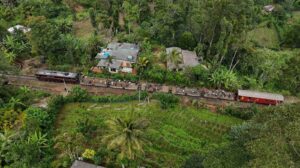
Badulla–Haputale railway line restored in 18 days (Image credit: Newswire.lk)
When will Sri Lanka be fully back to normal?
There is no fixed date — which is typical after a cyclone.
• Short term (weeks–months):
Tourism operations, hotels, transport, and city attractions continue normalizing
• Medium term (6–18 months):
Completion of road repairs, bridge reconstruction, and full reopening of national parks
• Long term (2+ years):
Complete ecological recovery of coral reefs and full rebuilding of affected communities
For travelers, this means you don’t need to postpone your Sri Lanka holiday, but planning with care is essential.
Why travel with WildAnt Lanka Holidays?
At WildAnt Lanka Holidays, your safety is our highest priority.
We continuously monitor Sri Lanka weather updates, park accessibility, road conditions, and hotel readiness. Our travel itineraries are designed with local expertise, backup plans, and trusted partners across Sri Lanka.
Sri Lanka is recovering, resilient, and still breathtaking — and when you travel with WildAnt Lanka Holidays, you travel with a company that truly values your safety, comfort, and peace of mind.
WildAnt Lanka Holidays is a trusted Sri Lanka tour operator, ready to plan your next journey with confidence, responsibility, and care.